
On this page:
Birds - Mammals - Reptiles - Amphibians - Invertebrates - Plants
Birds
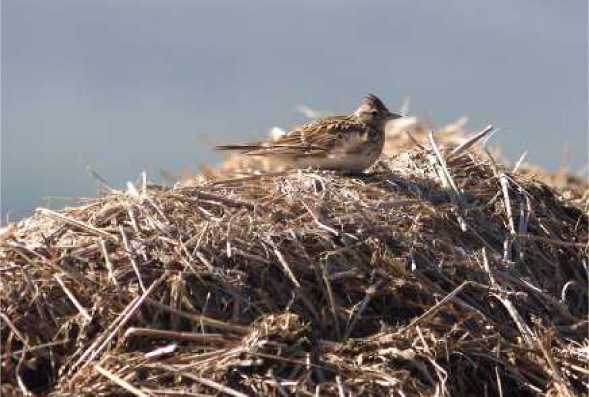 skylarkSkylark
Skylark's (Alauda arvensis) song is fast and complex. It can sing continuously for 30 minutes whilst 50 metres above ground in a territorial display. They occupy a variety of open habitats which include; moorland, heathland, grassland, farmland and coastal areas. Skylarks have been placed on the International Union for Conservation of Nature (IUCN) Red List of Threatened Species as more than 50% have declined during the last twenty five years due to the increase in intensive farming.
Swallow
The swallow (Hirundo rustica) migrates from South Africa to spend six months of the year here in Britain. They construct their cup-shaped nests from wet soil and they can 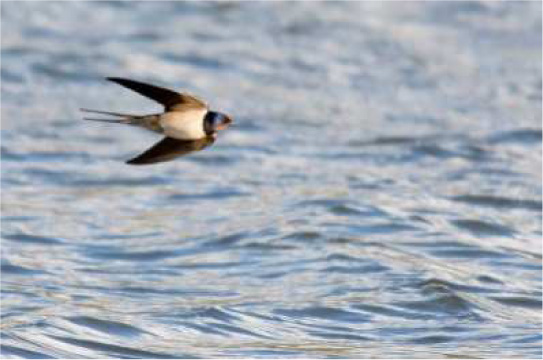 swallowrear up to three broods in one year, returning to the same nest each year.
Lapwing
Lapwings (Vanellus vanellus) are also known as peewits because of their calls. Their long crest makes them distinctive. As a result of 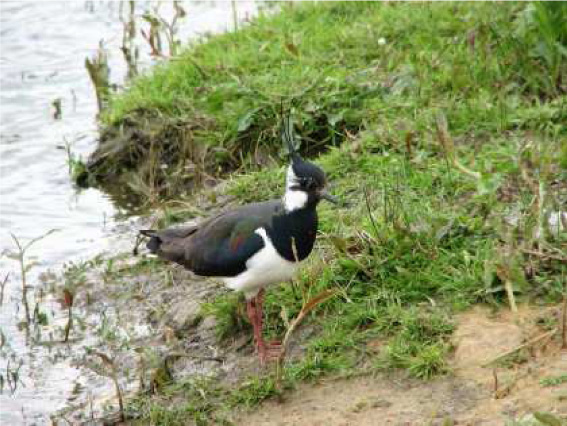 lapwing changes in farming methods lapwing numbers have been drastically declining. However, conservation efforts to preserve and restore wetland habitat and the engagement of farmers will hopefully see numbers starting to recover.
Swift
Swifts (Apus apus) spend just three months a year in Britain, arriving in May and leaving in August. 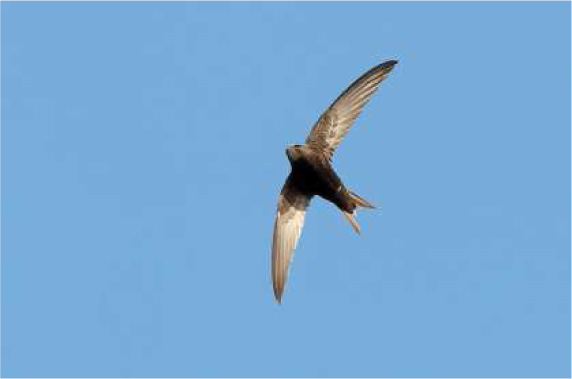 swift They spend their winter south of the Sahara. Derbyshire Wildlife Trust has given nest boxes out to farmers to provide more areas for nesting sites in the area.
Great spotted woodpecker
The great spotted woodpecker (Dendrocopos major) drumming on a tree may be heard in the distance in early spring and late winter and this is a form of communication.  great spotted woodpecker The male woodpecker lets other males and females in the area know he has claimed his territory by rapidly drumming on the bark of the trees.
Wood pigeon
The largest of the pigeons and now a common sight the wood pigeon (Columba palumbus) has shown a vast increase of more than 30% in 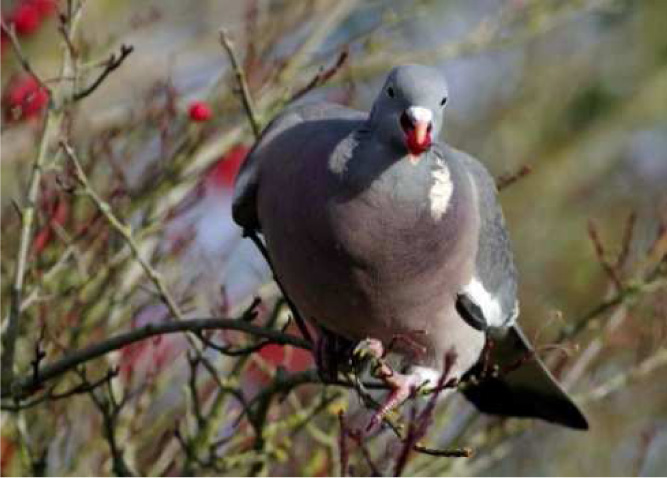 wood pigeonpopulation numbers during the last twenty years. This is due to their ability to adapt to urban life and breed throughout the year. They are now a frequent visitors to gardens.
Collared dove 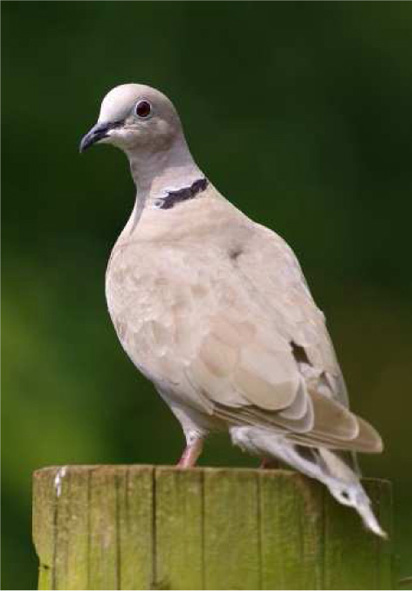 collared dove
Only arriving in Britain from continental Europe in the 1950s the collared dove (Streptopelia decaocto) has established well with an estimated 230,000 breeding pairs. Its distinctive dark band around the back of its neck makes it easily identifiable from other pigeon species.
Pheasant 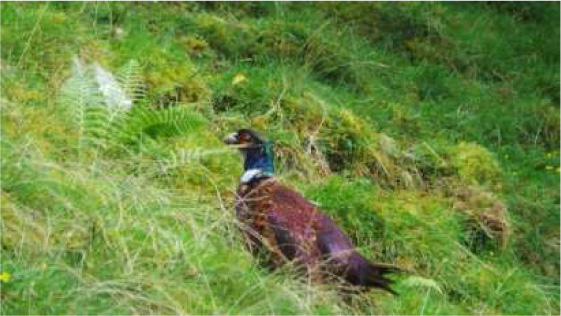 pheasant
Introduced by the Romans, the pheasant (Phasianus colchicus) is frequently seen in the countryside, especially males, due to their bright colouration and large size. Used as a game bird the pheasant feeds on seeds, grains and insects.
Red-legged partridge 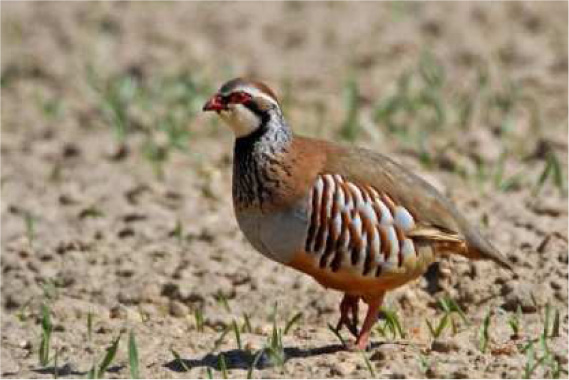 red legged partridge
The red-legged partridge (Alectoris rufa) is non-native species brought over from France in the 18th century. Distinguishable from Britain's native grey partridge (Perdix perdix), which is brown and grey in colour, the red-legged partridge has a white and black display on the head, a red beak and is larger in size.
Grey Partridge  grey partridge
The native grey partridge was once widespread but numbers are now in vast decline and the species has been placed on the International Union for Conservation of Nature (IUCN) Red List of Threatened Species.
Kingfisher
You may see the bright blue flash of a kingfisher (Alcedo atthis) as you walk along the river Ecclesbourne. 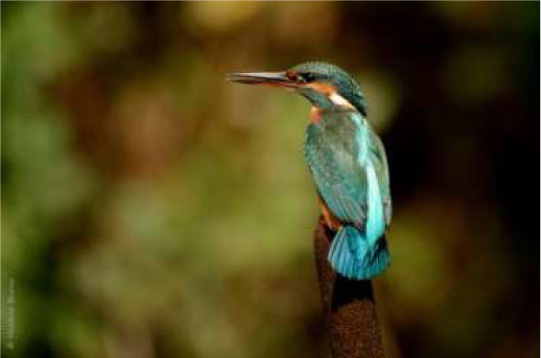 kingfisherThe kingfisher is a striking blue and orange coloured bird. It feeds mainly on small fish such as sticklebacks and minnows but will also eat aquatic invertebrates.
Grey heron 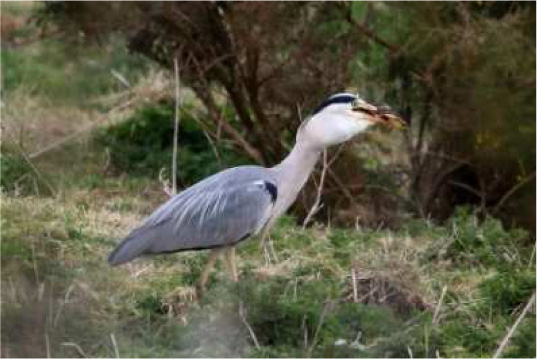 heron
heron
The grey heron (Ardea cinerea) is a large bird with a wingspan of 155-175 cm. Herons are frequently seen along this stretch of river standing motionless while hunting for their prey. A Heron's prey preference is fish although they will also take amphibians, small birds and small mammals opportunistically.
Curlew  curlew
The curlew (Numenius arquata) is the largest European wading bird, instantly recognised by its long, down-curved bill specialized for accessing their prey in the mud or sand. Females are slightly bigger and have longer bills in comparison to the males. Curlews spend the winter months feeding in large flocks in coastal areas they then come back inland to breed, occupying wetland, farmland and moorland. It is estimated that around 27% of the global breeding population resides in the UK, making the UK population of curlew significantly important and vital for the conservation of the species.
Sparrowhawk 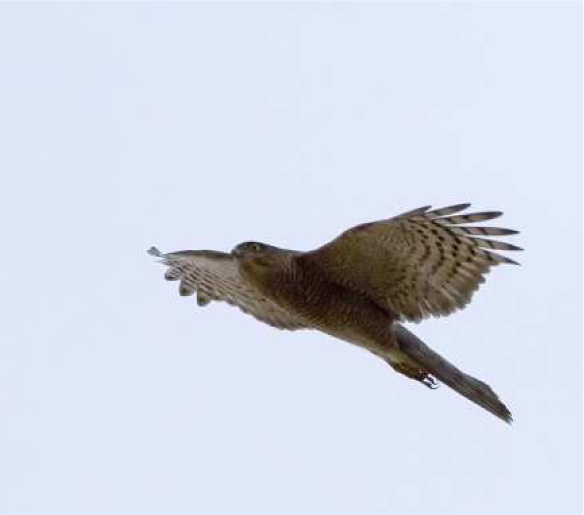 sparrowhawk
Sparrowhawks (Accipiter nisus) are becoming more common in urban areas. They are recognisable by their barred breast although they can sometimes be mistaken for the kestrel. The kestrel however, has dark eyes while the sparrowhawk has orange or yellow eyes. Sparrowhawks also do not hover in flight, which is a characteristic of the kestrel when hunting. The female Sparrowhawk is larger than the male. Their diet consists mainly of birds although small mammals and invertebrates can be taken opportunistically. The female tends to takes larger prey such as wood pigeons. Contrary to the belief that sparrowhawks reduce population numbers of their songbird prey, studies on songbird populations where sparrowhawks have been present have shown population numbers do not decline when faced with their predation.
Peregrine falcon 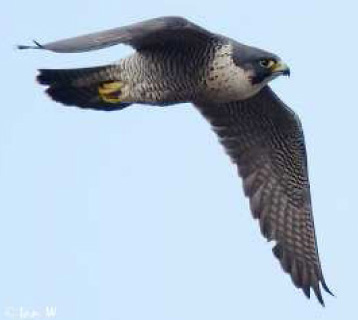 peregrine falcon
The peregrine falcon (Falco peregrinus) can reach up to two hundred miles per hour when diving for prey; 'the stoop'. The peregrine pulls its wings back to make its body a compact teardrop shape to gather speed and ambush its prey mid-air. The nostrils of the peregrine are adapted to cope with the wind speed, the nostrils contain cone shaped bones to disperse and slow down the air to the nostrils.
Buzzard 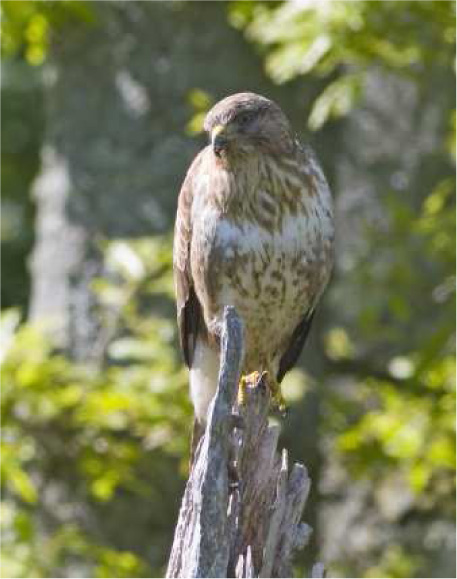 buzzard
The common buzzard (Buteo buteo) is a very adaptable raptor and is able to survive in a wide variety of habitats. Their main requirement is a tree at least 20 feet high in which to nest. In flight a distinguishable feature for identification is they will hold their wings in a shallow 'V' shape with their tail extended out. Buzzard numbers are currently recovering following high levels of persecution and fatalities caused by pesticides.
Kestrel 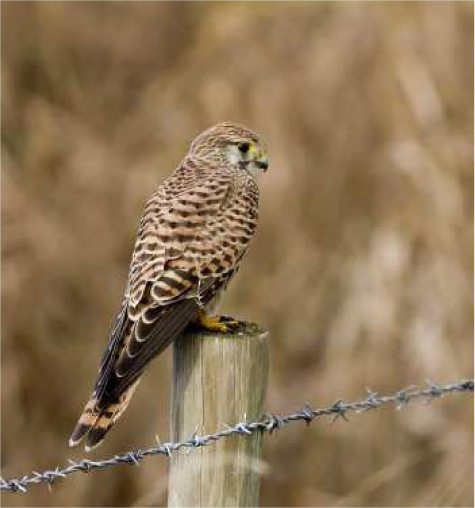 kestrel
Kestrels (Falco tinnunculus) hunt from perches and by hovering, an identifiable characteristic for the kestrel in flight. The kestrel feeds on small mammals, favouring voles but will sometimes also prey upon small birds and invertebrates. Derbyshire Wildlife Trust has given nest boxes out to farmers to provide more nesting sites and further encourage breeding in the area.
Barn owl Barn owls (Tyto alba) usually nest in barns or holes in trees and they are nesting in the Ecclesbourne Valley
Derbyshire Wildlife Trust has given nest boxes out to farmers to provide more nest sites in the area. 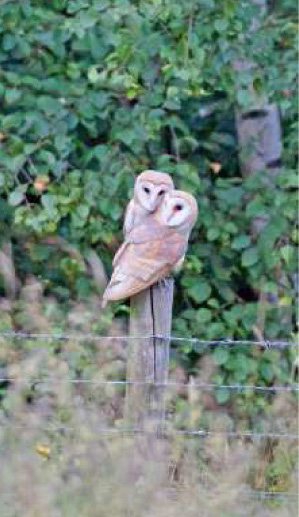 barn owlDepending on the weather, barn owls breeding season is from March to August.
.
Tawny Owl 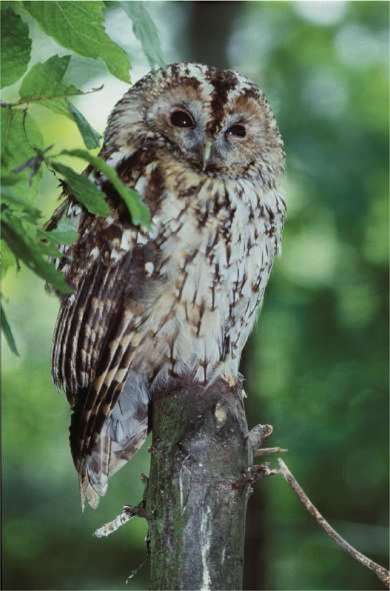 tawny owl
The Tawny owl (Strix aluco) makes the easily recognizable 'too-wit-tuwoo' call. They are a nocturnal, woodland species but they will also nest in urban areas. Tawny owls are very protective of their nests and have been known to swoop at people if the nest is in close proximity and the bird feels threatened. It has a preference for small mammal prey but will prey upon anything form frogs to invertebrates. Tawny owls are nesting in the Ecclesbourne Valley from February to April. Derbyshire Wildlife Trust has given nest boxes out to farmers to increase nesting sites in the area to promote breeding and increase numbers.
Mammals
Small mammals
Several small mammals live in the Ecclesbourne Valley which include; field vole (Microtus agrestis), bank vole (Clethrionomys glareolus), wood mouse (Apodemus sylvaticus), common shrew (Sorex araneus), pygmy shrew (Sorex minutus) and water shrew (Neomys fodiens). Small mammals play an important role in an ecosystem. They regenerate plant growth in habitats such as woodlands, through the dispersal of seeds and nutrient recycling. They are also fundamental in the diet of specialist predator species such as, the barn owl, kestrel and weasel. Fluctuations of small mammal populations can be mirrored in specialised predator populations; for example, stoats and weasels. Barn owls are especially dependant on small mammals as a food resource and are particularly dependant on populations of the Field Vole. When small mammal densities are low it can be detrimental for species such as the barn owl. Small mammal populations are in decline predominantly due to fragmentation of habitats and changes in traditional farming practices. For more information on a particular small mammal please visit www.derbyshirewildlifetrust.org.uk/wildlife/species-explorer/animal/mammals.
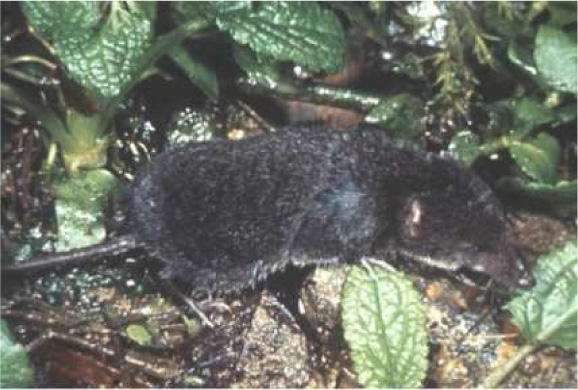 water shrew
  wood mouse
  short tailed field vole
 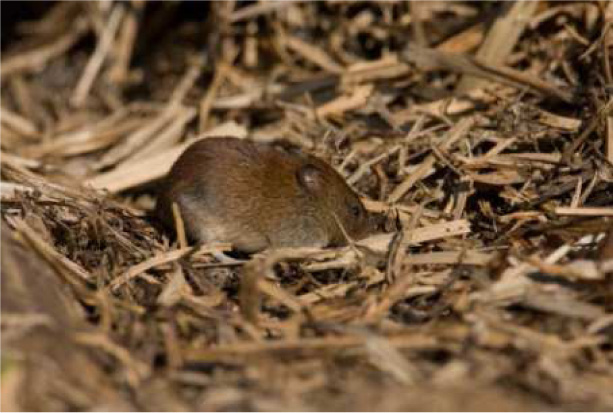 bank vole
 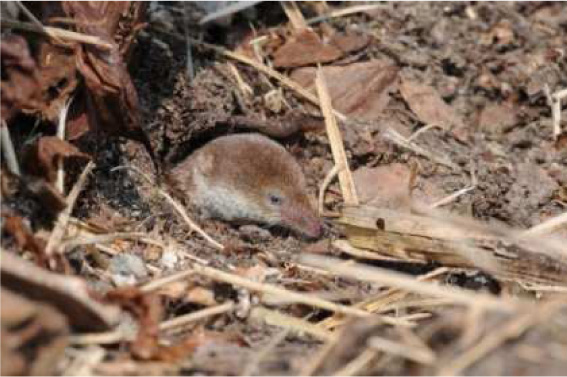 common shrew
Water Vole 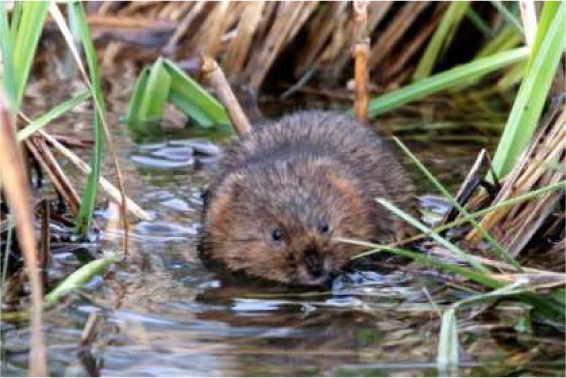 water vole
Water voles (Arvicola amphibius) were once common here but now they are a rare sight. This is mainly due to American mink predation but also habitat loss which leaves the water vole vulnerable to predation and removes their food supply and nesting material. If disturbed, the water vole will make a distinctive 'plop' sound as it goes into the water.Water vole
Brown hare and European rabbit 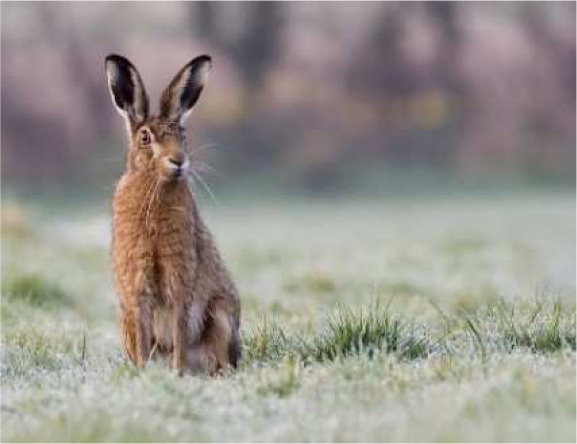 brown hare
Both the brown hare (Lepus europaeus) and European rabbit (Oryctolagus cuniculus) can be seen along the Ecclesbourne way, both are non-native. The brown hare is thought to have been introduced from mainland Europe during the Iron Age and the rabbit introduced more recently by the Normans. The brown hare favours areas with cover, while the rabbit is more confident in open areas however; both can be seen occupying the same habitat. 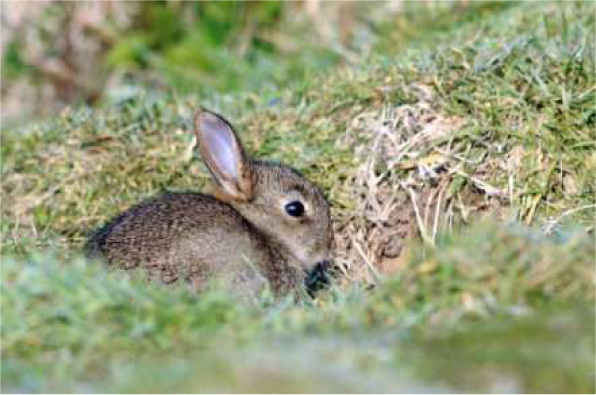 rabbit The rabbit is active during the day while the brown hare is primarily nocturnal, which may allow for the overlapping of habitat also, the rabbit lives underground in burrows of socially linked warrens whereas, the brown hare lives solitary above ground. Both are distinguishable through the brown hare being larger in size, accompanied by longer ears with black tips and the rabbit displaying a white underside on the tail.
Eurasian Badger 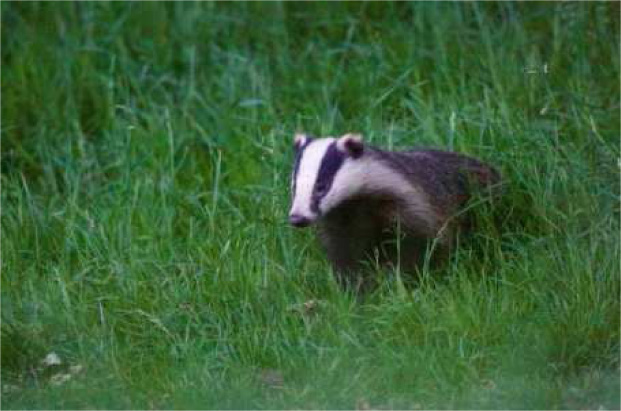 badger
The badger (Meles meles) belongs to the mustelid family along with weasels and otters. They are Britain's largest land predator. They are nocturnal and opportunistic in their diet eating anything from earthworms, small mammals to berries.
Otter 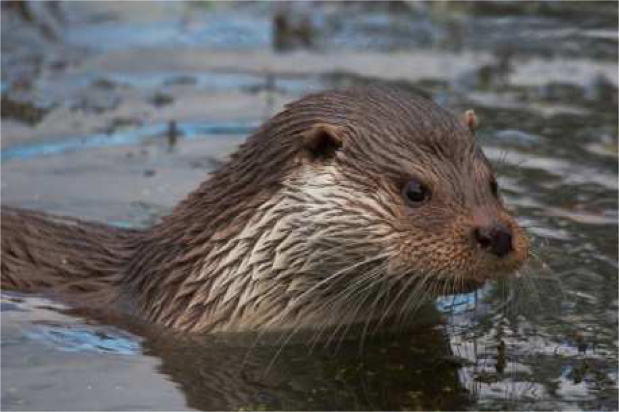 otter
otter
Otter (Lutra lutra) numbers are improving in Derbyshire and they are present along the river. However, they are rarely seen due to their secretive nature and being predominantly nocturnal, but their 'spraint' (faeces) shows where they have been. They contain fish bones and have been described as smelling similar to freshly mown hay or Jasmine tea!Eurasian otter
Weasel 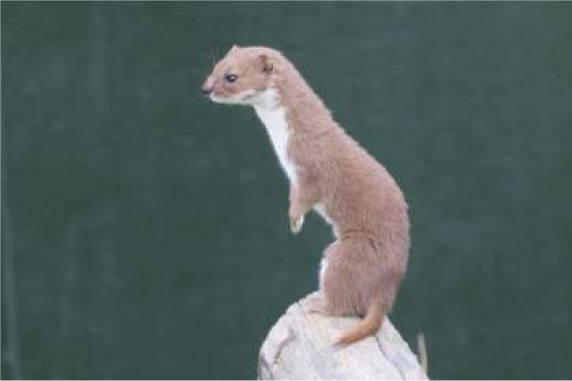 weasel
Typical of the mustelid family weasels (Mustela nivalis) have elongated bodies with short legs perfectly adapted for hunting their preferred prey, small mammals through tunnels underground. The weasel can be found in a diverse range of habitats from open habitats such as moorland to woodland and urban areas.
Stoat  stoat
stoat
Sometimes mistaken for the weasel as both have the brown colouring on top and the white underside, the stoat (Mustela erminea) can be distinguished by the black tip on the end of the tail and being larger in size. Though the stoat and weasel predate on small mammals, the larger size of the stoat enables it to take down larger prey such as rabbits. Both share the same habitats although they stay clear of each other.
American mink 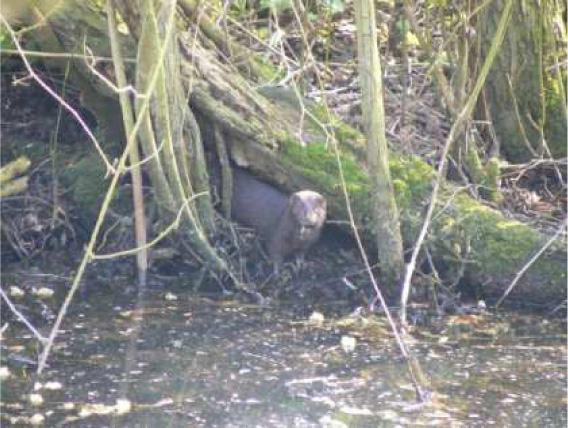 american mink
Native to North America the Mink (Neovison vison) was deliberately introduced into Britain by the release of the animal from fur-farms by animal activists. The mink is now an invasive species having devastating impacts on our native fauna especially, water vole numbers which were improving in Derbyshire, are now showing a decline due to the rise in mink numbers.
Red fox 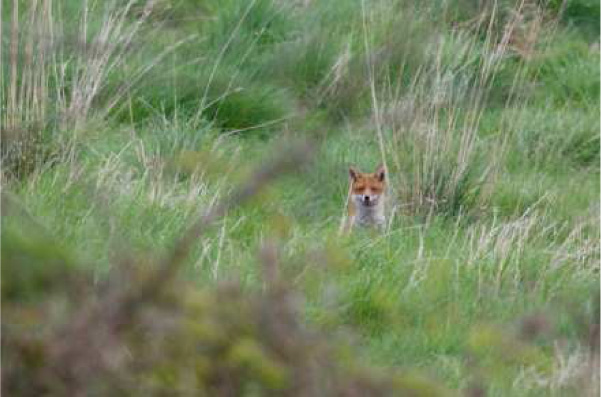 fox
fox
The fox (Vulpes vulpes) is the only wild member of the Canidae family (which includes animals such as, wolves, dogs and jackals) left in Britain. The fox is highly adaptable in terms of prey and habitat and mainly hunts by night although, can be seen during the day. The opportunistic nature of the fox makes it a familiar sight in urban areas as well as the countryside.
Hedgehog 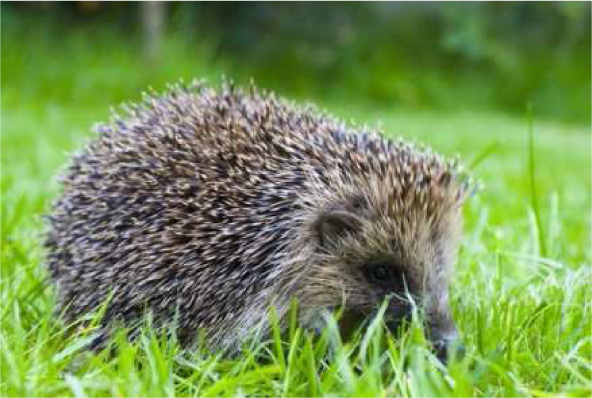 hedgehog
Known to frequent gardens the hedgehog (Erinaceus europaeus) is one of Britain's most loved wildlife, however it is in vast decline. The reason for the decline has not been pinpointed; however, there could be numerous contributing factors such as intensive farming, causing the loss of habitat and the removal of hedgerows, which reduces areas for cover while foraging for invertebrates such as beetles and hibernation through the winter months. In urban areas, gardens are becoming ever more enclosed by fencing, inhibiting access and movement of hedgehogs across gardens. Mortality rates on roads are also extremely high which will have an effect on local population numbers.
Bats
A number of bats roost in the Ecclesbourne Valley such as, the brown long eared bat (Plecotus auritus) and the common pipistrelle (Pipistrellus pipistrellus). There are also less common species such as the whiskered bat (Myotis mystacinus) and the brandt's bat (Myotis brandtii) that have also been recorded roosting in the area. Bats are nocturnal and will start to emerge around dusk, the best time to see them is just before dusk, during the summer months. Derbyshire Wildlife Trust has given bat boxes out to farmers to encourage breeding in the area. For more information on a particular bat species please visit www.derbyshirewildlifetrust.org.uk/wildlife-explorer/mammals.
 whiskered bat
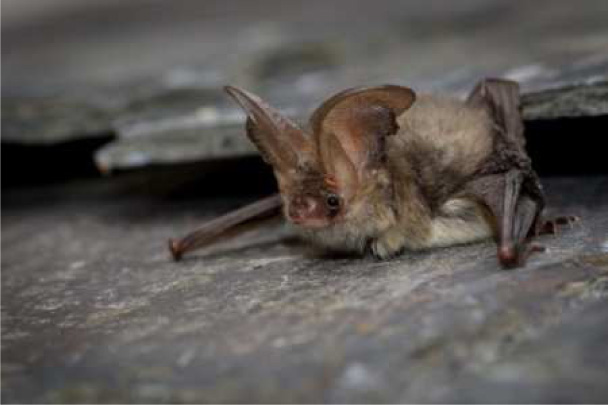 brown eared bat
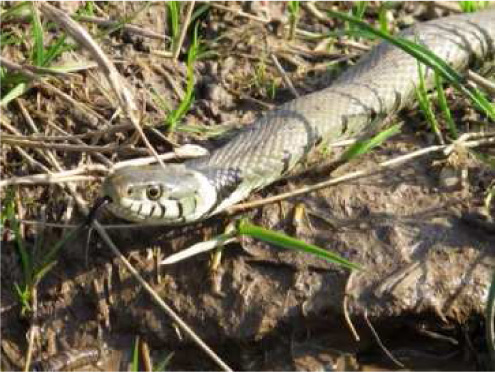 grass snake
Reptiles
Grass Snake
Predominantly occupying wet habitats and feeding mainly on amphibians such as frogs, the grass snake (Natrix natrix) is Britain's largest reptile. If disturbed the grass snake can emit a foul smelling fluid from its anal vent and 'play dead' as a defence mechanism to deter predators. A key feature for identifying the grass snake is by the distinctive yellow band behind the head
Common lizard 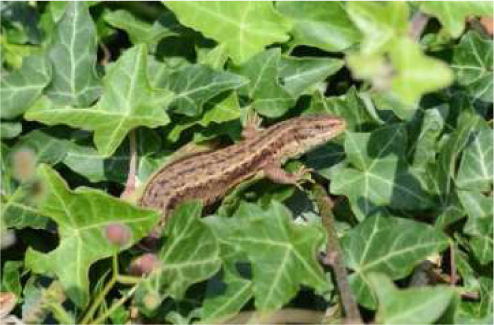 common lizard
The Common lizard (Lacerta vivipara) is one of three lizards found in Britain the others being the sand lizard and the slow worm. The common lizard is extremely fast moving and is therefore mainly spotted whilst basking in the sunshine on logs and rocks. This lizard is viviparous meaning it gives birth to live young which is unusual in reptiles.
Slow worm  slowworm
While the slow worm (Anguis fragilis) looks like a snake it is in fact a legless lizard, which has evolved to lose its limbs. Key features distinguishable from snakes are the possession of moveable eyelids, external ear openings and the ability to shed their tail which is used as a defence mechanism to distract a predator while they escape. Slow worms are found in a wide range of habitats from grassland to woodland and are also found in compost heaps in gardens, as they create favourable conditions by producing heat and providing cover and prey such as slugs and worms.
Amphibians
Common Frog 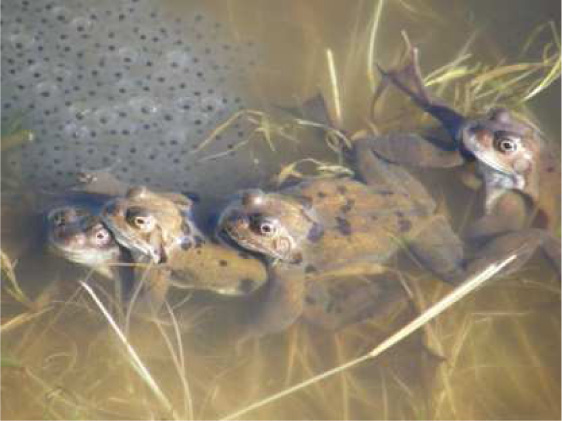 common frog
Like all amphibians frogs have permeable skin, which allows the skin to be used for respiratory gas exchange. Consequently, frogs need to keep their skin moist and therefore are reliant on damp microenvironments. Common frogs (Rana temporaria) spend the majority of their time out of water, only returning to it to breed in early spring. Through a decrease in urban and rural ponds the common frog is thought to be declining in numbers.
Common toad 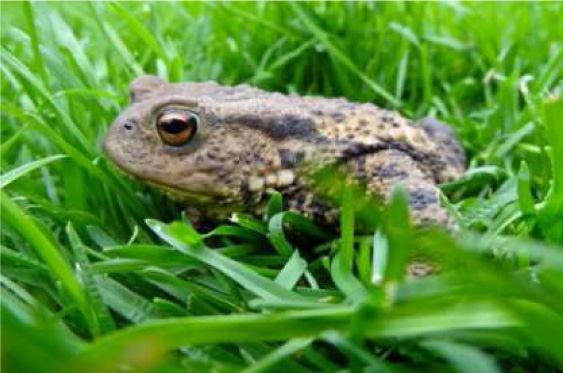 common toad
The common toad's (Bufo bufo) skin is drier than that of the common frog and contains glands which secrete toxins which are used as a defence mechanism to deter predators. The toxicity is low and as a result the effect is merely distasteful to potential predators. Common toads are subjected to high mortality rates on roads when travelling on their migratory routes to breeding sites. You can help the toads safely reach their breeding site by volunteering on a local toad patrol between February and April. To find a toad patrol nearest to you please visit www.froglife.org/what-we-do/toads-on-roads/tormap/.
Newt 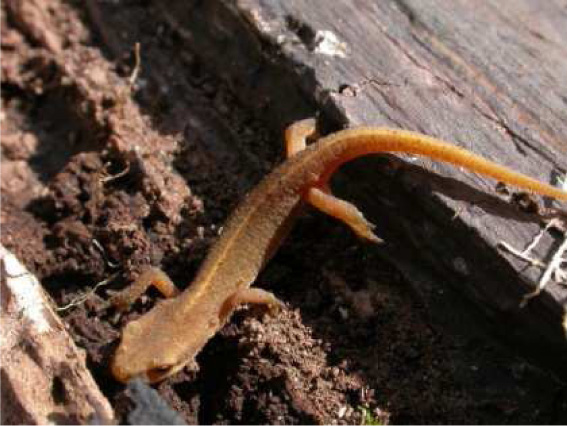 newt
newt
Newts are good bio-indicators of water quality as they will only inhabit clean water. There are three species of newt native to Britain these include; palmate (Lissotriton helveticus), smooth (Lissotriton vulgaris) and great crested (Triturus cristatus). Great crested newts are a protected species as they are classified as endangered. For more information on a particular newt species please visitNewts
https://www.derbyshirewildlifetrust.org.uk/wildlife-explorer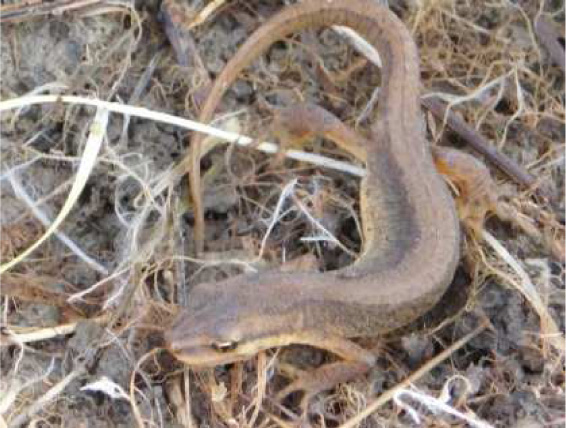 smooth newt
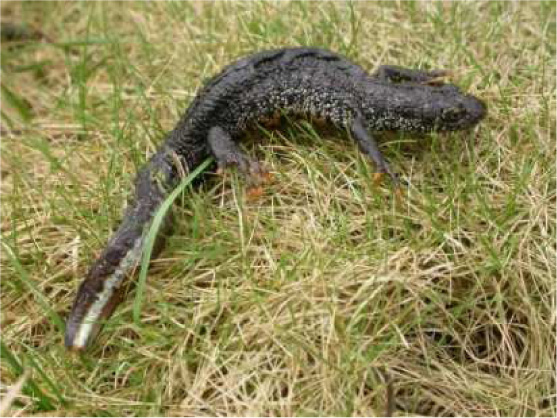 great crested newt
Invertebrates
Bees
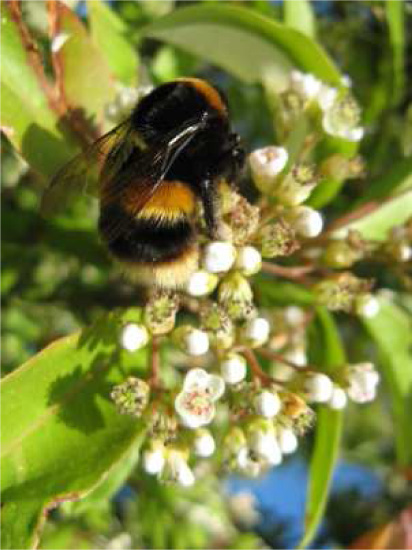 bumblebee
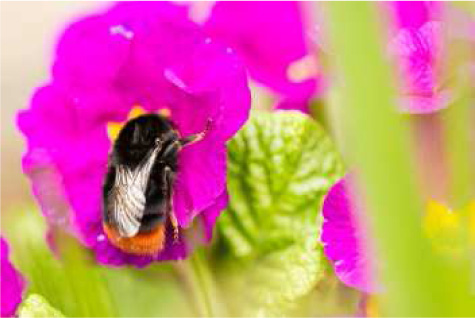 bumblebee_2
 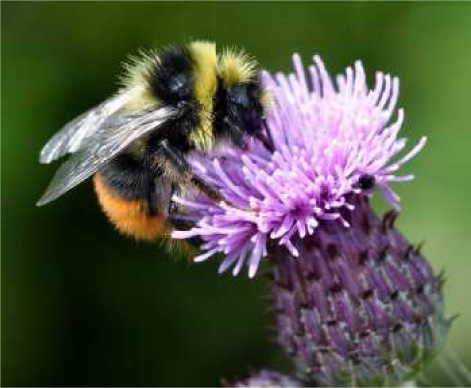 bumblebee_3
Bee populations are declining and this is very concerning as we need our bees to pollinate our food crops and without bees we would not have the yield of fresh fruit and vegetables currently growing in this country. There are eight species of bumblebee which can be seen in the Ecclesbourne Valley, such as the tree bumblebee (Bombus hypnorum), white-tailed bumblebee (Bombus lucorum) and the red-tailed bumblebee (Bombus lapidaries). For more information on a particular bee species please visithttps://www.derbyshirewildlifetrust.org.uk/wildlife-explorer
Butterflies
Numerous species of butterfly can be seen throughout the Ecclesbourne Valley. These include the most recognisable ones such as the peacock (Aglais io), red admiral (Vanessa atalanta) and the small tortoiseshell (Aglais urticae), and the more rarer species such as, the dingy skipper (Erynnis tages), small heath (Coenonympha pamphilus), white letter hairstreak (Satyrium w-album) and the wall brown butterfly (Lasiommata megera). For more information on a particular butterfly species please visit https://www.derbyshirewildlifetrust.org.uk/wildlife-explorer
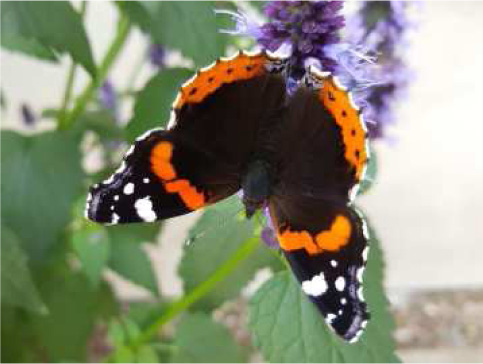 red admiral
 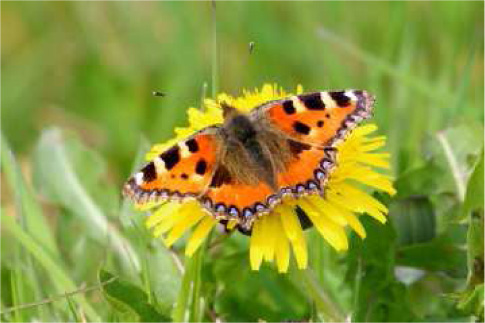 small tortoiseshell butterfly
  white letter hairstreak
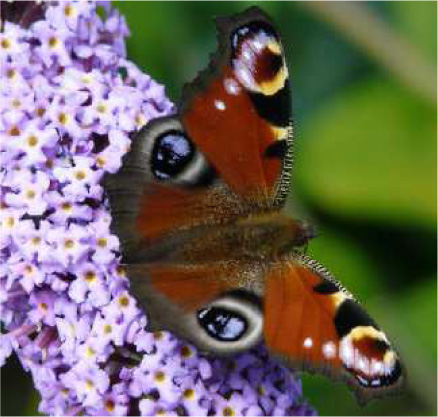 peacock butterfly
Dragonflies and damselflies
There are several dragonfly and damselfly species which can be seen along the Ecclesbourne. To tell them apart, damselflies will close their wings when at rest; with the exception of the emerald damselfly, whilst dragonflies rest with their wings open. Another determinant is dragonflies are stronger and more agile fliers compared to damselflies. Dragonfly eyes are also more central, whereas damselflies are placed on either side of their head. Damselflies are more likely to be found on the water margins while dragonflies can travel a great distance from the water however, both are dependent on water for breeding. For more information on a particular dragonfly or damselfly species please visit https://www.derbyshirewildlifetrust.org.uk/wildlife-explorer
 banded demoiselle
 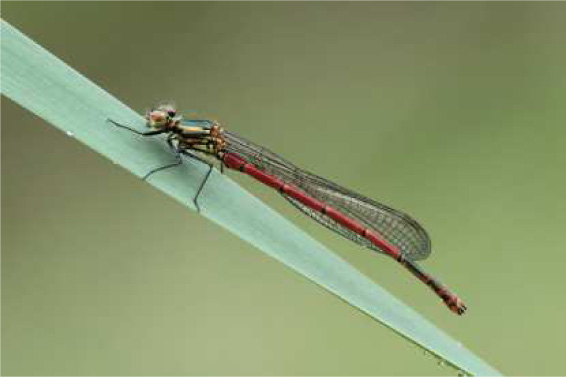 large red damselfly
 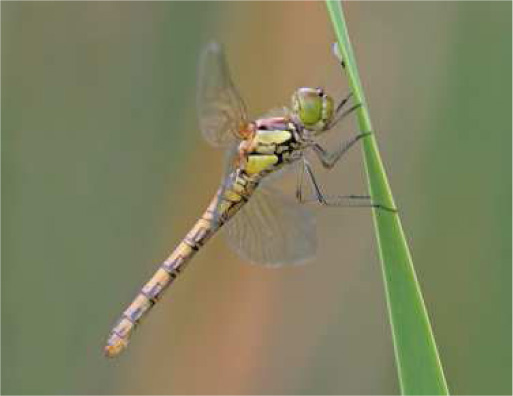 common darter dragonfly
 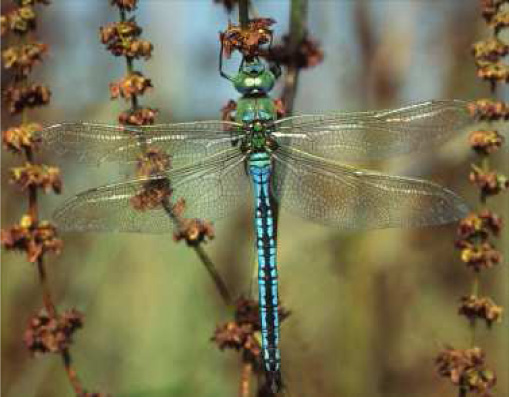 emperor dragonfly
Mayflies 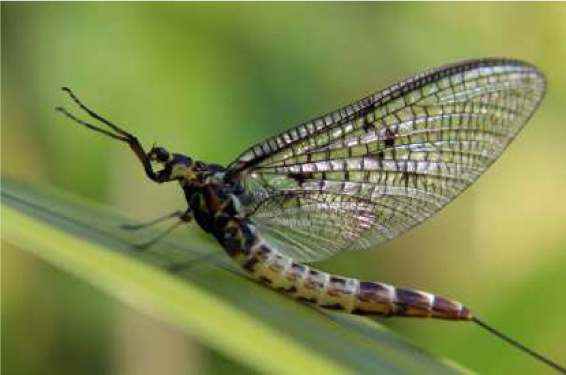 mayfly
Fifteen species of mayfly live in the Ecclesbourne River. They only live in clean water and can therefore be used as an indicator of water quality. They can be identified by their three tails and wings that they hold in a vertical position at rest. In contrast to their name, numerous mayfly species can be present throughout the year.
Stoneflies
Stoneflies are typically found in fast flowing stony rivers and streams. They do not travel far from the water and are recognisable by their two slender tails and wings that fold over the abdomen at rest. They will only live in clean water and therefore they can be used to assess water quality.
Caddis flies
Caddis fly larvae live underwater and make cases to live in by spinning together stone, sand, leaves and twigs. They are an important food source for predators including Salmon and Trout. Caddis flies can be mistaken for their close relative moths, to distinguish between the two; caddis flies rest with their wings closed and have much longer antennae.
Crayfish
Crayfish shelter under rocks during the day and feed at night. Our native white-clawed crayfish (Austropotamobius pallipes) are under serious threat as a result of the introduction of the non-native, invasive American signal crayfish (Pacifastacus leniusculus). The signal crayfish transmits a disease called crayfish plague to the white-clawed crayfish which has no natural defence against it. Being larger and more hostile they also out-compete them for habitat. white clawed crayfish
 american signal crayfish
Freshwater shrimps
Freshwater shrimps are a popular food for birds, fish and some insect larvae. Because of the shape of their body they tend to swim on their sides - so are also known as 'sideswimmers'.
Plants
Wood Stitchwort  wood stichwort
Wood Stitchwort (Stellaria nemorum) is uncommon in Derbyshire, but it can be found along the banks of the River Ecclesbourne.
Himalayan Balsam 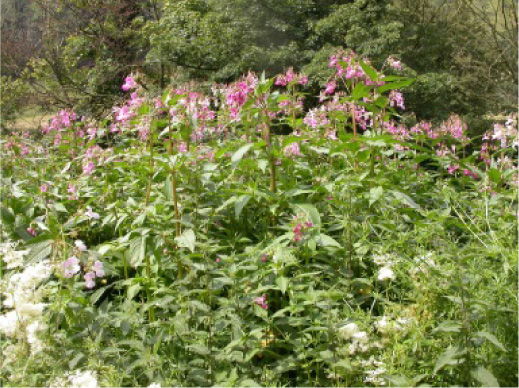 himalyan balsam
Himalayan Balsam (Impatiens glandulifera) is a non-native species first introduced by the Victorians as an ornamental plant and is now highly invasive and spreads rapidly along water courses and out-completes native plants. The best way to slow the spread is by pulling it up before it seeds.
Information compiled by and with thanks to,
Derbyshire Wildlife Trust